Moral stories :Ped Kaato Mat! 🌳 Prakruti Ka Paath | Emotional Moral Story for Kids | Baal Gyan Bharat #shorts
Introduction
Sometimes children get angry very quickly, and they may say or do something that can hurt others or hurt nature.
This short video, Ped Kaato Mat moral story for kids, shares a simple emotional moment where a child learns why trees are precious.
In this article, you’ll find the story summary and easy ways parents can use it to teach good values at home during bedtime, a morning routine, or even classroom circle time.
Watch the video together with your child, and then talk for just two minutes about what they felt and learned.
Main Explanation or Story
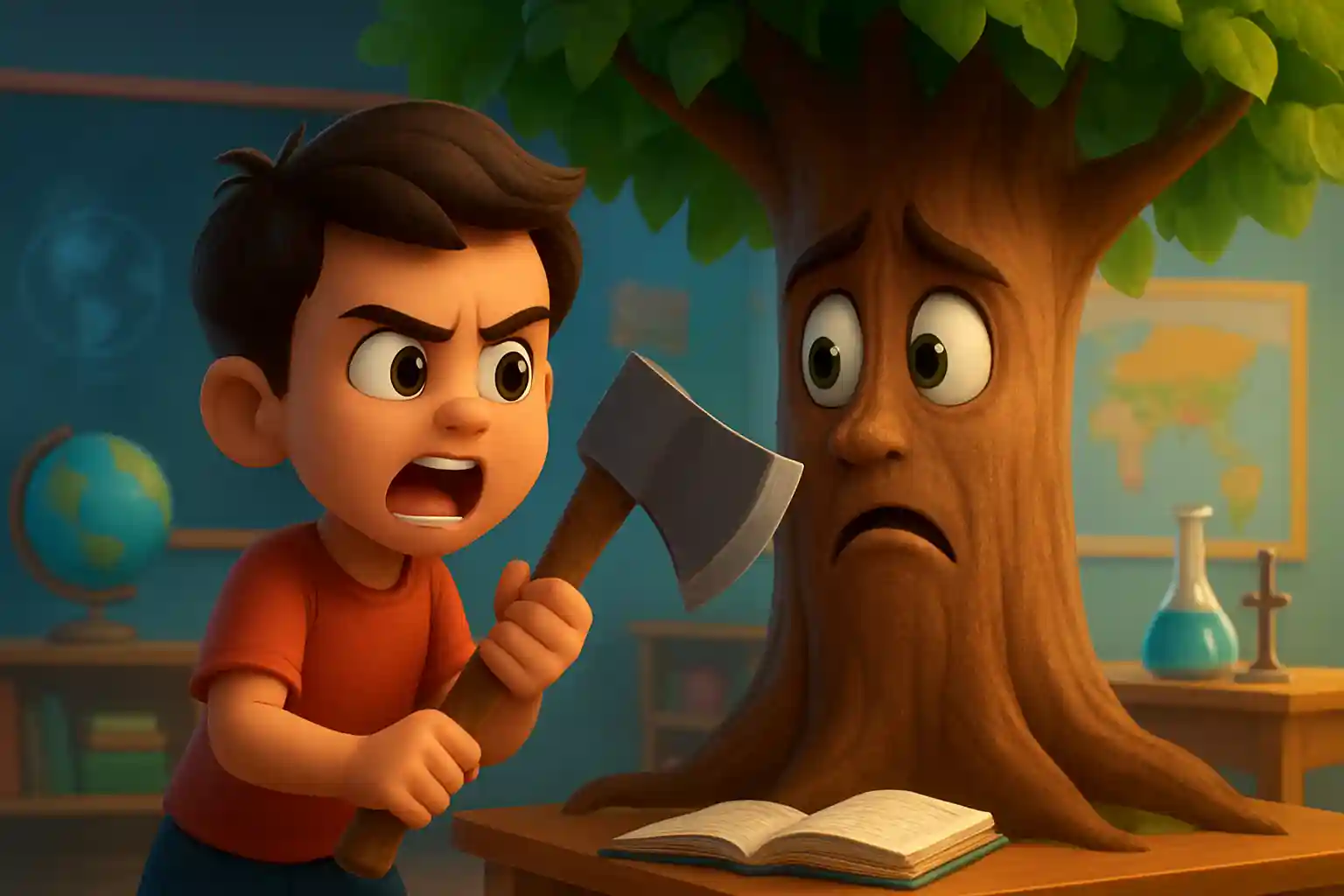
In the story, a little child feels angry and decides to cut a tree.
But then something surprising happens—Prakruti (Nature) speaks to the child in a gentle, emotional way.
Nature helps the child understand that trees are not “just wood.”
Trees give us oxygen to breathe, shade to rest, fruits to eat, and homes for birds and small animals.
As the child listens, the anger starts to melt, and the child begins to feel regret and kindness instead.
This Ped Kaato Mat moral story for kids becomes a sweet reminder that when we hurt nature, we also hurt ourselves.
If your child enjoys this kind of value-based story for kids, you can also read a Bal Ganesha moral story about helping others for another gentle lesson.
For a calm, devotional story for children that fits morning time, try a Maa Saraswati morning blessing story for kids.
This short moral story is ideal for kids aged 4–10, especially when you want to teach emotions and responsibility in a simple way.
Key Lessons or Takeaways
Trees are living gifts that help everyone, so we should protect them.
Anger can push us to make bad choices, but we can pause and breathe first.
Kind words can change hearts more than shouting or punishment.
Nature supports us daily, so gratitude is an important habit.
Even if we make a mistake, we can say sorry and choose better next time.
Small actions like not wasting paper also show respect for trees.
Simple Activity or Example
Try this quick “Tree Friend” activity to make the message stick in a happy, child-friendly way.
Ask your child to draw a big tree and name it (like “Chintu Tree” or “Mitra Tree”).
Together, add 5 “gifts” on the drawing: oxygen, shade, fruits, birds’ nest, and rain help.
Do a 10-second calm breath: inhale, then exhale slowly like blowing a leaf gently.
Ask: “When you feel angry, what can you do instead of hurting something?”
Pick one real-life action for the week: save paper, water a plant, or keep a small bowl of water for birds.
Important Points to Remember
Focus on the child’s feelings first: “I see you were angry,” before giving advice.
Avoid shaming words; guide them toward a better choice kindly.
Encourage questions like “Why are trees important?” and answer patiently.
Repeat the lesson in daily life: while walking outside, point to trees and thank them.
Praise effort and honesty: “I’m proud you calmed down,” not “Be perfect always.”
Keep the message simple—one clear moral is enough for young kids.
Safety or Guidance for Parents
This video is short, so it works well as a quick learning moment, but it’s best to watch together and talk right after.
Balance online stories with offline play, gardening, park walks, and family conversations so children learn from real life too.
For most families, a few minutes daily (or a short story 2–4 times a week) is enough without overusing screens.
FAQs for Parents
What age is this story best for?
This kind of short moral story is usually best for kids aged 4–10. Younger kids enjoy the emotions and visuals, and older kids understand the message about nature and responsibility.
How often should kids watch short moral videos?
Short videos are fine in small amounts, like a few minutes a day or a few times a week. The real learning comes from the small talk you do after watching.
How do I know my child is actually learning the moral?
Look for small changes: kinder words, less rough behavior with plants, or reminders like “We should not waste paper.” You can also ask them to retell the story in their own words.
How can I connect this lesson to school life and friendships?
Explain that just like we don’t hurt trees, we also don’t hurt friends with hands or harsh words. When upset, we can pause, breathe, and use respectful sentences.
What if my child asks big questions like “Do trees feel pain?”
You can answer gently: “Trees are living, and we should treat them with care.” Then bring it back to a simple action: protecting plants, saving paper, and being kind to nature.
Related Videos
- A short kids video with a helpful moral lesson
- Quick value-based story for children (shorts)
- Emotional short story to teach kindness
- A simple moral message for kids in under a minute
- Short kids story about learning and good habits
- A gentle lesson story for kids (shorts)
- A quick family-friendly moral shorts video
- A short motivational moral clip for kids
- A simple story that teaches good behavior
- Short moral learning video for kids and parents
- A quick moral reminder for children (shorts)
- A short story clip for kids with a life lesson
- Family-friendly shorts video with a moral
Related Stories on MoralStoriesHub
- Har Har Shambhu: a devotional moral story for kids
- Radhe Krishna Holi: a joyful value-based story for kids
- Barsane Ki Chhori: a short moral story with a sweet message
- Baby monkey emotional story that teaches empathy
- Barsane Ki Chhori bhajan: a devotional story for children
- A fun science-style moral short about water and curiosity
- A Krishna short story that teaches listening and learning
- Why is my school bag so heavy? a gentle learning story
- A thoughtful Hindi moral story about feelings and respect
- Maa Saraswati morning blessing: ideal for a calm routine
- Krishna’s playful lesson: a short story about honesty
- Krishna and Arjun: courage and right choices for kids
- Krishna ki pehli Holi: a festive moral story for children
- A motivation story for kids about confidence and effort
- Krishna and Sudama: a friendship story full of gratitude
- Achyutam Keshavam: Krishna morning prayer for kids
- A funny learning short about being careful and responsible
- A fun Hindi kids story about self-control and choices
- Teeth cleaning habit: a short moral-health story for kids
- Soap magic learning: a curiosity-based short for children
- Why does milk boil? a simple learning story for kids
- Why is the sky blue? a wonder-filled kids learning short
- Magnet magic: a playful learning short for kids
- Bal Ganesha teaches helping others: another moral story for kids
- Color mixing fun: a short learning video story for kids
- Why does a rubber ball bounce? a fun science short for kids
- Live kids bhajans and lullabies for peaceful sleep
- Krishna flute music: soothing sleep time for little ones
- Baby Krishna makhan chor: a gentle bhajan for toddlers
- Hanuman Ji adventure story: courage and devotion for kids
- Helping others lesson: Bal Ganesha moral story for kids
- The magical world of Indian mythology for kids (family guide)
- See more devotional songs for kids in our Ram Bhajan stories section