👉 What If Your Hero Once Felt Just Like You? | Powerful Motivation for Kids | Baal Gyan bharat
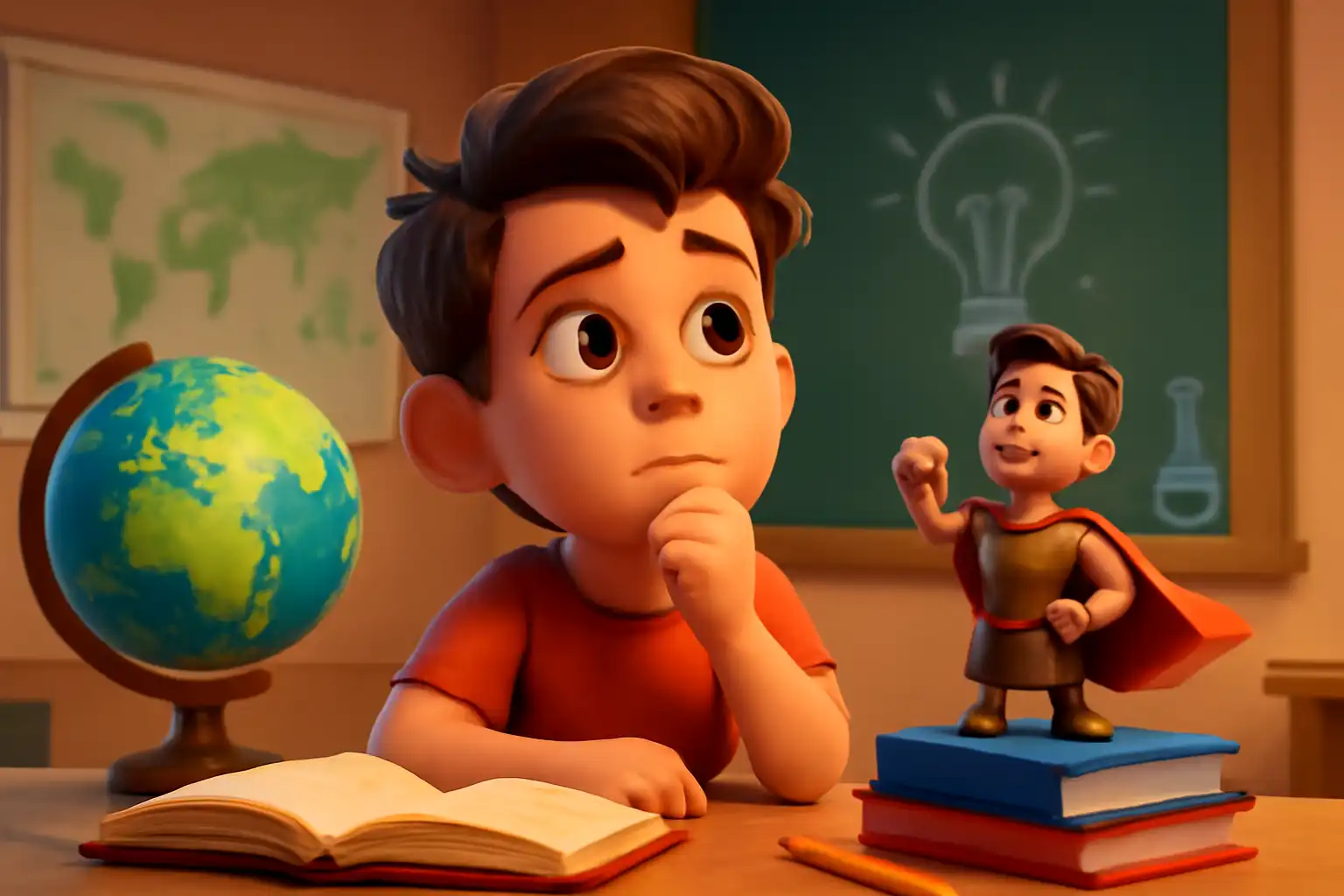
Many kids (and adults) feel stuck sometimes, especially when something looks hard. This short motivational video reminds children that even their heroes once felt scared, confused, or ready to quit.
Introduction
Have you ever thought, “I can’t do this”? That feeling is normal, and it doesn’t mean you are weak.
The big message here is simple: the people you admire also had tough moments. They kept going, one small step at a time.
Main Explanation or Story
Kids often imagine heroes as perfect people who never fail. But real heroes grow through problems, practice, and patience.
This motivation story helps children see that struggle is part of learning. When you feel like giving up, it may actually mean you are close to improving.
Think of a famous player, scientist, or leader you admire. Before they became successful, they likely faced mistakes, teasing, low marks, or fear of losing.
The difference is not that they never felt bad. The difference is that they didn’t stop when it got difficult.
Key Lessons or Takeaways
Feeling nervous or slow at first is normal when you try something new.
Heroes also failed, practiced, and felt discouraged before they improved.
Small daily effort is more powerful than waiting for “perfect confidence.”
Asking for help is a smart step, not a shameful one.
Your progress matters more than comparing yourself to others.
Simple Activity or Example
This quick activity helps kids turn “I can’t” into “I’m learning.” It works well for schoolwork, sports, art, and reading.
Pick one hard thing you want to improve (math, handwriting, cycling, speaking in class).
Write one sentence: “Right now, I feel ______ because ______.”
Choose a tiny practice goal for today (5 minutes only).
Do the practice, then circle one thing that went slightly better.
Say aloud: “My hero also started small. I can keep going.”
Important Points to Remember
Struggle does not mean failure; it often means growth is happening.
Confidence comes after practice, not before it.
One good habit beats one big burst of motivation.
Rest is helpful, but quitting makes the fear stronger.
Safety or Guidance for Parents
Motivation is helpful, but pressure can backfire. Keep the focus on effort, learning, and emotional support.
Praise specific actions like “You practiced even when it was hard” instead of only praising results. If your child is often anxious, tearful, or avoiding school for weeks, consider talking with a teacher or a child counselor.
Make goals realistic and age-appropriate. Kids grow best when they feel safe to make mistakes.
FAQs for Parents
How do I motivate my child without pushing too hard?
Use small goals and short practice times. Celebrate effort and improvement, even if the result is not perfect yet.
What should I say when my child says, “I’m not good at this”?
Try: “You’re not good at it yet.” Then ask, “What is one small step we can practice today?”
My child compares themselves to others. How can I help?
Shift the comparison to their own progress. You can track personal improvement with a simple weekly chart of practice time or “wins.”
What if my child keeps giving up quickly?
Lower the starting difficulty and shorten the time. Many kids quit because the task feels too big, not because they are lazy.
Is it okay to reward my child for effort?
Small rewards can help at the start, but pair them with meaningful praise. Over time, help them notice internal rewards like pride, skill growth, and independence.
Related Topics
Conclusion
The next time your child feels like quitting, remind them that even heroes started with doubt. What matters most is taking one small step forward today.
With gentle support from parents and simple daily practice, kids can turn tough moments into strong habits. The journey to becoming “brave” often begins with feeling scared and trying anyway.